I was driving into town a few months ago, coming down a long slope toward a stop sign with a line of cars ahead of me, when I had a thought nobody wants to have in that situation: it seems like my brake pedal is on the floor.
I made it home. When I checked the reservoir, there was no brake fluid. It turns out the brake master cylinder had been leaking for a while, probably a long while, and I just hadn't noticed until it mattered. Brake fluid doesn't stay where it belongs when things start to go wrong. It migrates. It got into the brake booster and ruined it. It pooled in the pedal cluster and corroded the parts. The carpet was a loss.
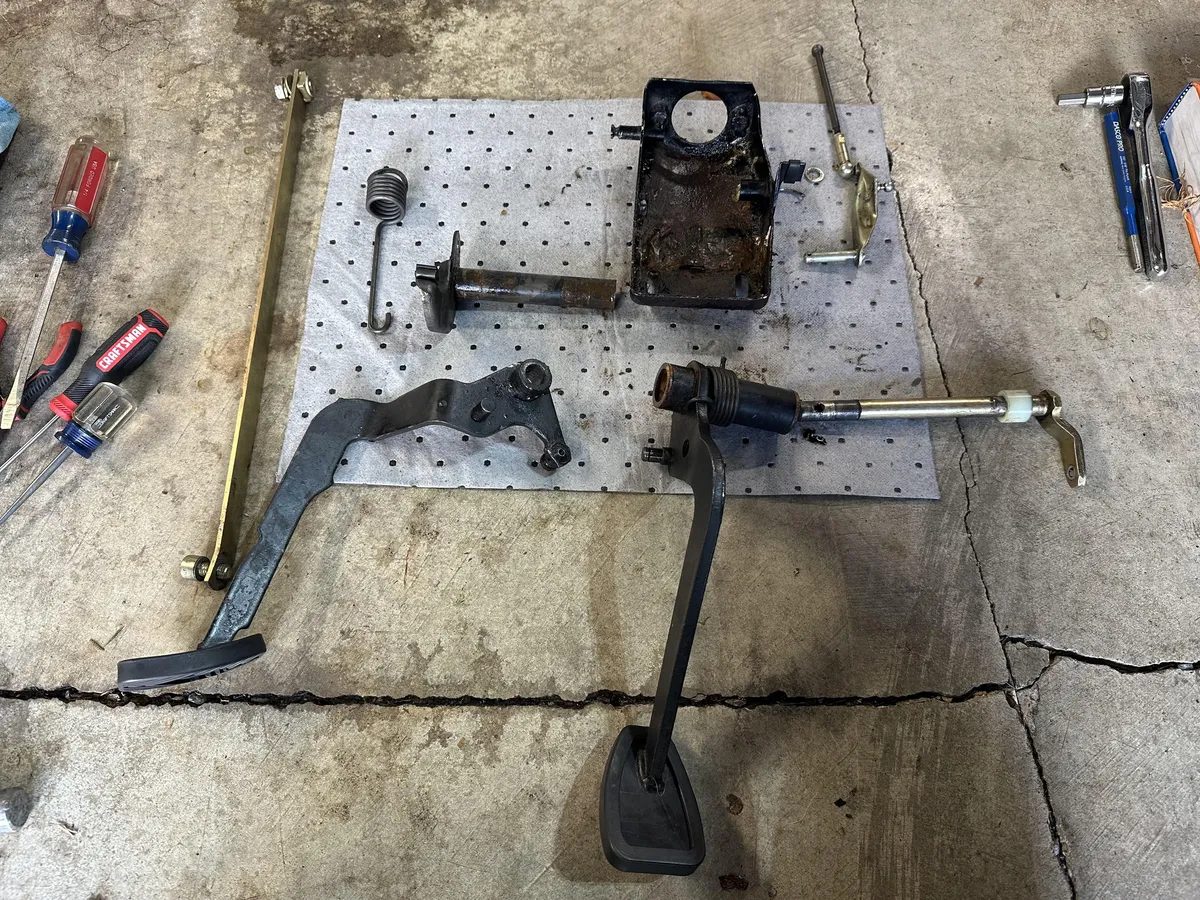
How did it get this bad?
One failure, propagated through the system. Caught early, it's probably a weekend replacing the brake master cylinder. Caught late, it's a long project just figuring out what's damaged before you can start fixing anything.
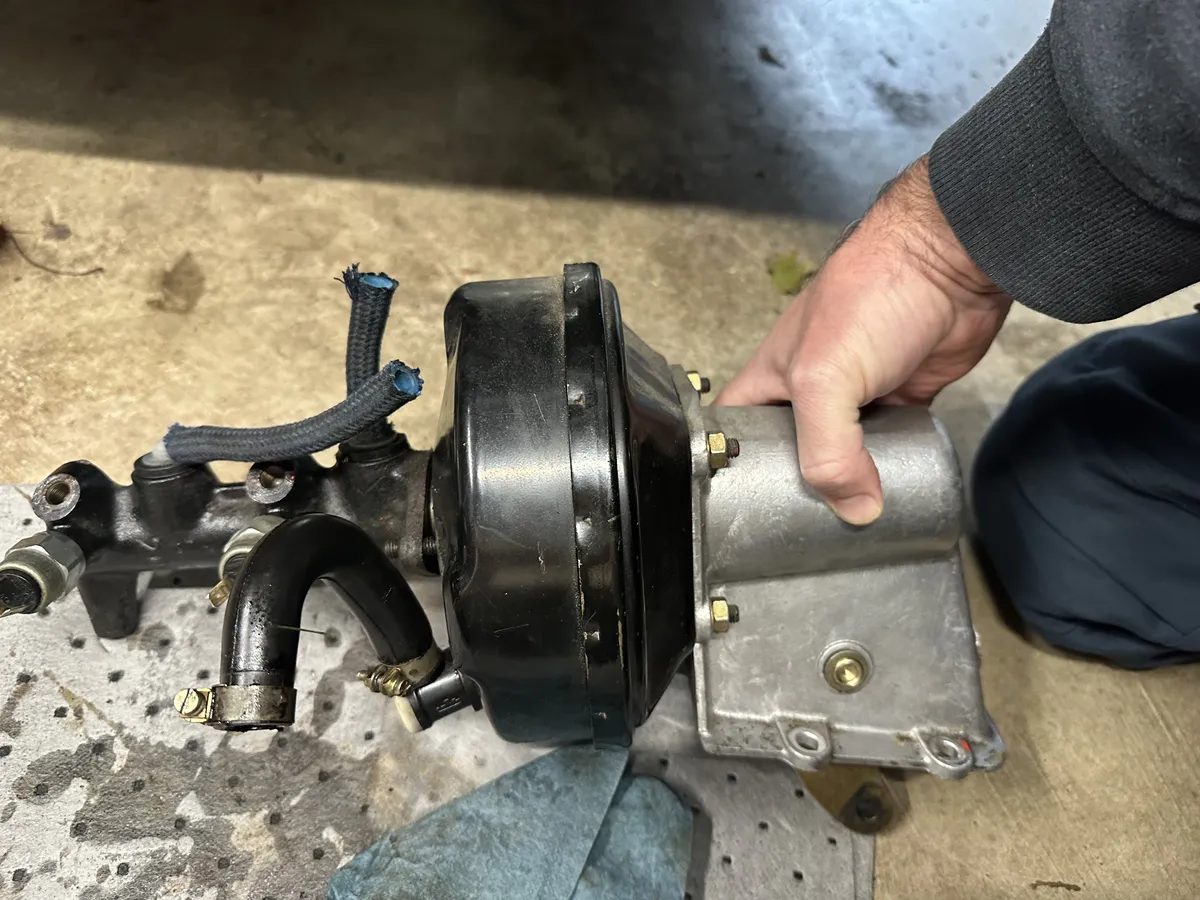
One failure, propagated through the system.
The quarter where everything looked great
A lot of organizations are running a version of this right now, and they don't know it yet.
The promise of AI-assisted development is velocity. And it often delivers: teams ship more, iterations happen faster, backlogs move. Leaders who rolled out copilots look smart for a quarter or two.
Then something gets uncomfortable.
The roadmap becomes less believable. Commitments slip. Priorities churn. Explanations make sense in the moment and fall apart two weeks later. Every quarter starts to feel like a reset, just a faster one.
The diagnosis usually lands on strategy, or product leadership, or stakeholder chaos. But the actual cause is often simpler and more structural: speed revealed that alignment was being held together informally. And informal alignment doesn't scale with velocity.
Shipping more isn't the same as getting there faster
If the organization was already building the wrong things, or things that didn't really move the needle, AI doesn't fix that. It gets them to that failure faster, with more confidence, having shipped more along the way. The roadmap becomes less believable not because people are working less, but because all that work isn't producing the outcomes anyone expected.
This is the brake fluid problem. The original failure: weak prioritization, fuzzy decision rights, alignment held together by good intentions and hallway conversations, existed before AI. At a lower velocity, it was manageable. There was enough time to course-correct before the damage spread. AI removed that buffer. The leak, which would have been a slow, noticeable drip, had already gotten into everything before anyone thought to check the reservoir.
The wrong fix makes it worse
The instinct when drift shows up is to add process. Heavier reviews, more approval gates, bigger planning ceremonies. That’s how you compound the problem: you get a slower organization and an incoherent roadmap.
What actually helps is a minimal control system: the smallest set of structures that can keep decisions stable as speed increases. A few things become non-negotiable:
Tradeoffs have to be explicit. If a new request means something else slips, that has to be said out loud and agreed to, not absorbed quietly into someone's sprint.
Decision rights have to be clear. Not "let's see who pushes hardest" clear. Actual clarity about who decides what.
Capacity has to be aligned to real priorities, not to whoever asked most recently.
None of that is bureaucracy. It's containment. It's the difference between a sealed brake line and one that's been quietly draining for months.
Two questions worth sitting with honestly
Are the outcomes you expected (not the shipping) arriving faster since you rolled out AI tools?
Are you shipping more but also seeing more rework, more "we need to redo this" conversations than before?
If the answer to either of those feels uncomfortable, the tools didn't fail you. They showed you what was already fragile.
When my brake master cylinder failed, the answer wasn't to drive slower forever. It was to figure out everything the leak had touched and fix it so the car could operate safely at speed again.
That's the frame. Not less AI. Not more process. Build the operating structure that lets the speed you've unlocked actually work for you.