Does Your AI Strategy Have a Version Problem?
Your AI strategy probably has more versions than you think. Here's what that costs. ...more

Your AI strategy probably has more versions than you think. Here's what that costs. ...more
Most AI roadmaps are built without ever asking the question that determines whether the investment will pay off. This week: what that question is, why it keeps getting skipped, and what changes when you answer it before the roadmap instead of after. ...more
42% of C-suite executives say adopting generative AI is tearing their company apart. That's a strong phrase. I don't think it means what it sounds like. ...more
Too many teams invest in AI features that customers notice first, rather than the parts of the product they actually depend on. ...more
AI didn't just make building faster. It made it easier to skip the thinking that building used to force. Here's what I ran into when I built my own tool in a few hours, and what it reminded me about judgment in a world where the cost of action keeps dropping. ...more
I remember the feeling the first time my ELEN 348 lab project worked. I got that feeling again on Saturday over my morning coffee. ...more
Adding AI to a product is getting easier. Turning it into a durable advantage is not. This piece looks at why so many companies can point to AI activity without ending up with a meaningfully stronger product position, and the question that helps separate scattered experimentation from something that actually compounds.ost Description ...more
Speed without a system is just an entropy cannon. Stop treating the space between strategy and execution like it will organize itself. ...more
Shipping more isn't winning more. How AI acceleration exposes what was already fragile in your operating structure.New Blog Post Description ...more
Product strategy isn’t a doc. It’s the decision layer that stops roadmap churn, clarifies tradeoffs, and turns good ideas into direction. ...more
Strategy exists, but isn’t used in tradeoffs. Without it, priorities drift and roadmaps lose trust. ...more
Shipping is up, outcomes are flat. Define “increments” by measurable value or decision-grade learning. ...more
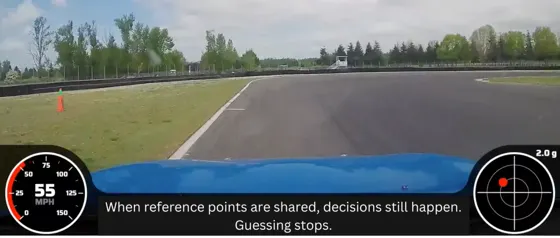
Reliable operating rhythms reduce speculation and rebuild trust, so teams stop guessing and thrashing. ...more
Transparency is designed: reliable rhythms make reality visible and reduce guesswork across teams. ...more
Silent tradeoffs create decision debt, causing roadmap thrash. Predictability comes from explicit, shared tradeoffs. ...more
Roadmap drift isn’t effort. It’s decision discipline: clear tradeoffs, cadence, shared commitments. ...more
Why roadmaps get less predictable as companies scale, why pressure makes it worse, and how operating discipline restores confidence and momentum. ...more
No posts match that.